What is Landscape Design?

Modern Estate

What is Landscape Design?

Landscape design is the thoughtful planning and shaping of everything outside your door, including land, plants, water, and built elements, so your property functions effortlessly, looks beautifully composed, and remains healthy as it matures. Landscape designers combine hardscapes like walkways, patios, steps, and retaining walls with softscapes like shrubs, perennials, groundcovers, and trees to create gardens and outdoor spaces for enjoyment. Landscape design firms develop master plans that take care of soil, topography, and drainage, balance views and privacy, and coordinate grading, materials, lighting, and irrigation.

award-winning landscape design-build
Award-Winning Residential Landscape Design by DabneyCollins

4 Types of Landscape Design

From family backyards to workplaces and public spaces, four types of landscape design styles shape how a place looks and feels: formal, informal, modern, and traditional.

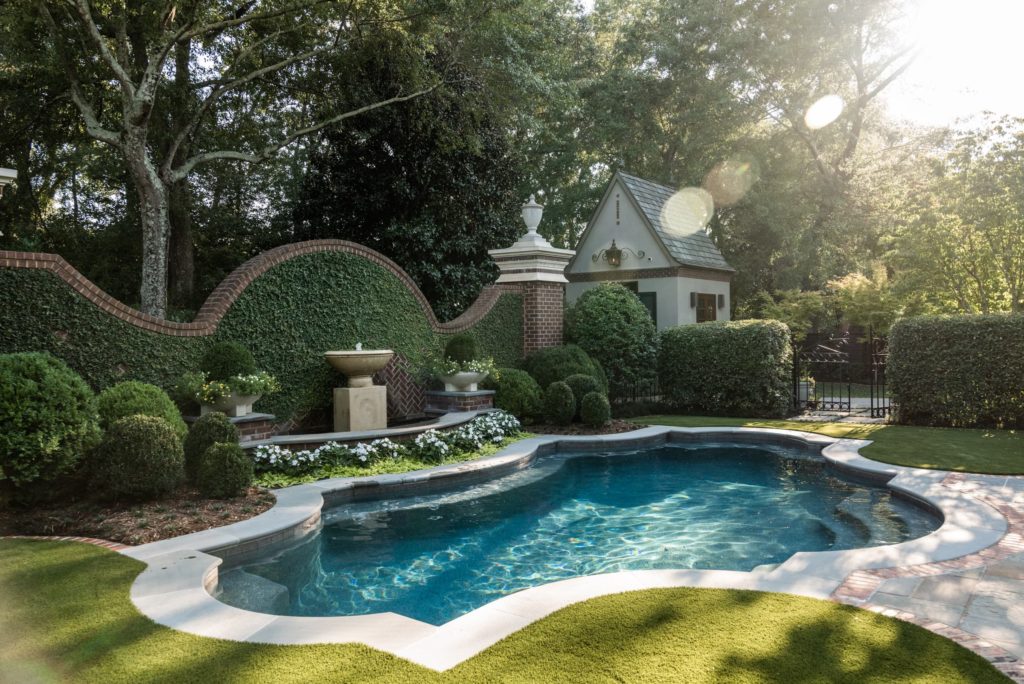
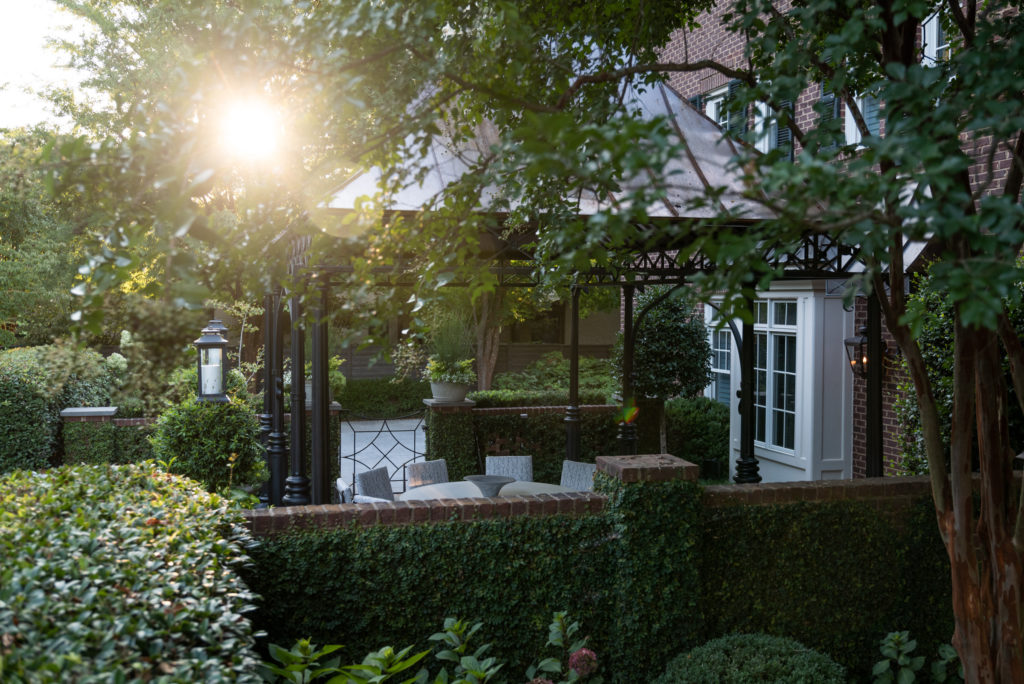
  1. Formal design feels tailored and timeless. It uses balance, careful lines, and classic materials to create gardens that read as elegant, orderly, and gracious every day.
  2. Informal design feels welcoming and easy. It borrows from nature’s patterns to create comfortable spaces that look beautiful without feeling stiff.
  3. Modern design feels calm and purposeful. It highlights craft and proportion, pairs fewer materials for greater impact, and creates spaces that live simply and elegantly.
  4. Traditional design feels warm and established. It blends proven materials and plantings to create gardens that fit the house, welcome guests, and age with dignity.

Each style can be expressed for residential gardens, commercial and civic settings, and sustainability-focused landscapes, adapting materials and planting to fit purpose and place.

A formal garden uses clear geometry, strong axes, and balanced composition to create order that reads instantly. Space is organized into legible rooms, edges are crisp, and features align with intention so movement, views, and gathering all feel effortless. Formal design brings calm and clarity. It guides how you enter, where you pause, and how you entertain, all while keeping maintenance predictable and the visual story refined. In small gardens it is especially powerful because strong structure multiplies the sense of space.

Modern Luxury Backyard Ideas
Backyard Luxury Garden
Water fountain for Luxury Garden
Square Patch Grass Beside the Brick Luxury Garden Building
Manicured Lawn, Swimming Pool, and Ivy-Covered Brick Wall framing luxury garden
View from the pool looking at the luxury garden terrace with furniture and pavilion
View over the ivy-covered brick wall of the greenery surrounding the luxury garden
Closed Dual Swing Iron Gates on perimeter of luxury garden design

Informal Design

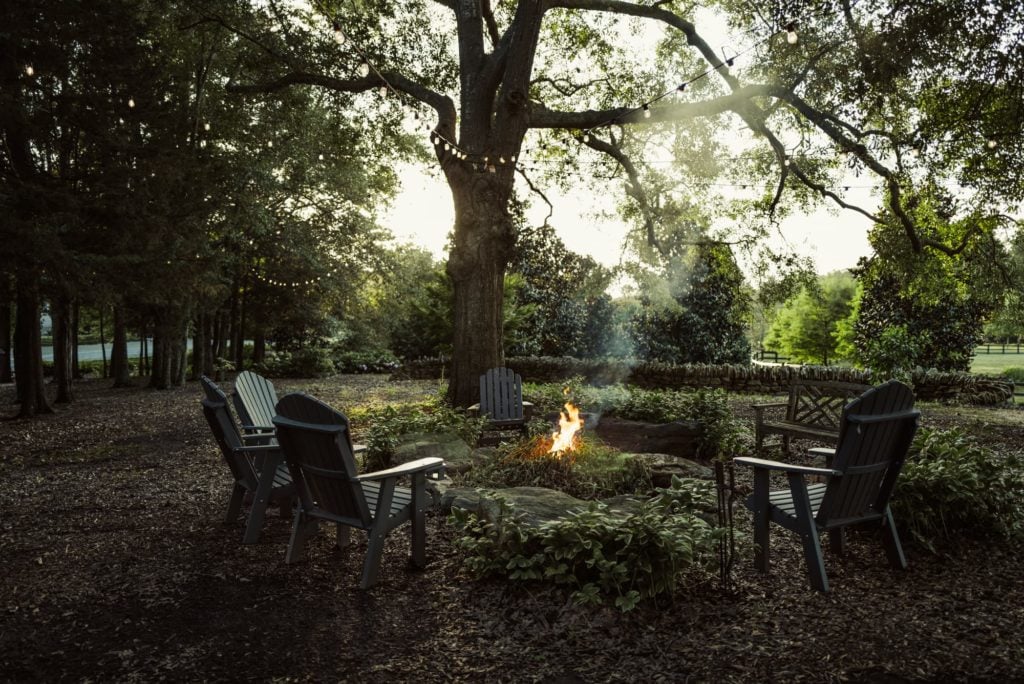
Informal design takes its cues from nature and favors gentle curves, asymmetry, and layered plant communities that feel discovered rather than staged. Structure is present but relaxed, and spaces flow into one another with soft edges and textural planting. Informal landscapes feel welcoming and unforced. They invite exploration, frame long views, and let ecology do meaningful work by supporting birds, pollinators, soil health, and clean water. On large properties informal design builds a sense of permanence over time, and around homes it keeps daily life comfortable and calm.

Tall garden feature birdhouse with view of rollin greens and luxury garden
luxury garden overlooking pond with deck and sitting chair
deep woods within the garden design
wide angle of tall garden feature birdhouse with view of rollin greens and luxury garden
alternate view of luxury garden overlooking pond with deck and sitting chair
hearth in deep woods surrounded by seating looking out on luxury garden

Modern Design

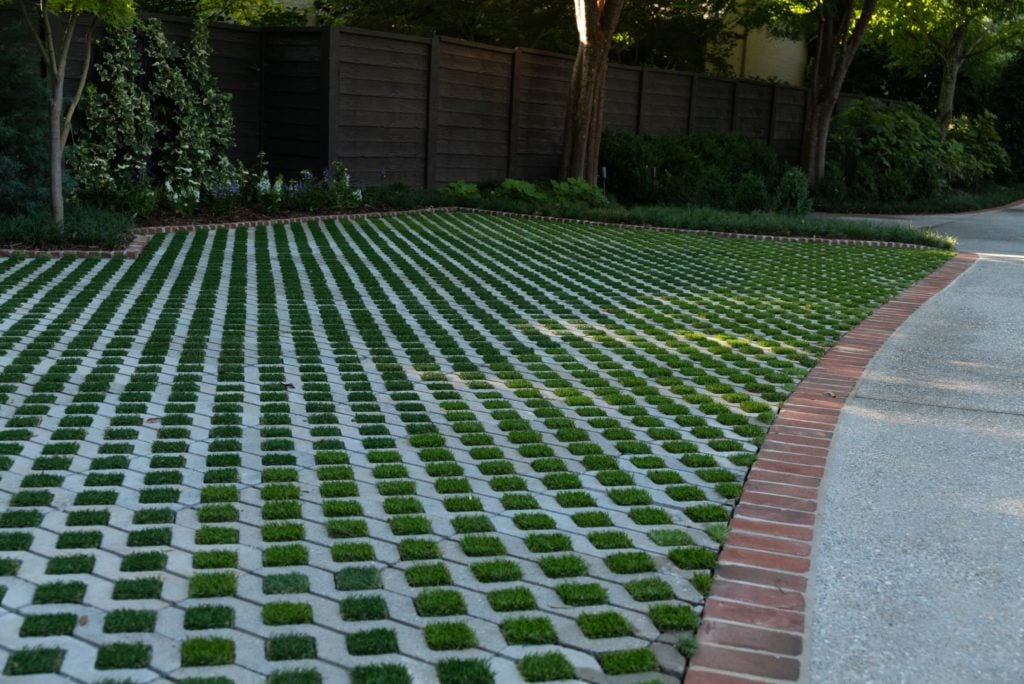
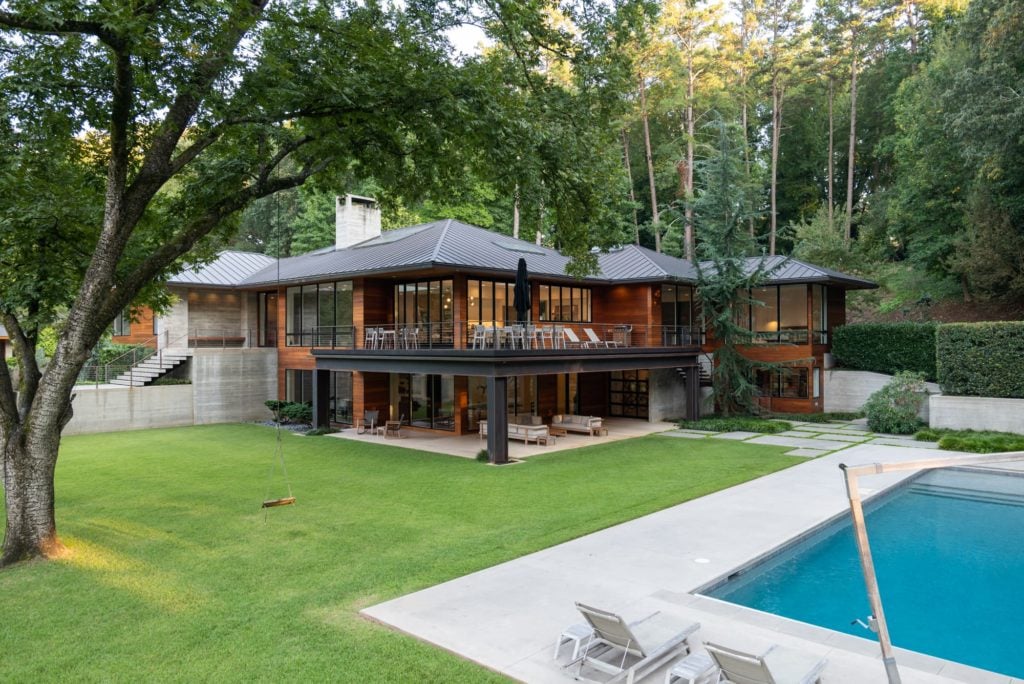
Modern design is quiet, purposeful, and pared back. It relies on clean lines, simple forms, and a limited palette so each material and plant has a clear job. Function comes first, then elegance follows through proportion, craft, and restraint. Modern landscapes feel calm because there is less to read and reduced visual noise, making circulation obvious, and they use durable materials that age well. Maintenance is focused and predictable, and sustainable choices like permeable paving, native masses, and shaded hardscapes are easy to build into the plan.

Family gathered around the hardscape of an outdoor hearth that sits in a contemporary garden
Pool view of contemporary home from the rolling greens of the luxury garden
View of the Pool and surrounding garden from the contemporary home
Wide angle of contemporary garden with rolling greens
Alternate view of contemporary home from the rolling greens of the luxury garden
Alternate view of modern pool overlooking contemporary home from the rolling greens of the luxury garden

Traditional Design

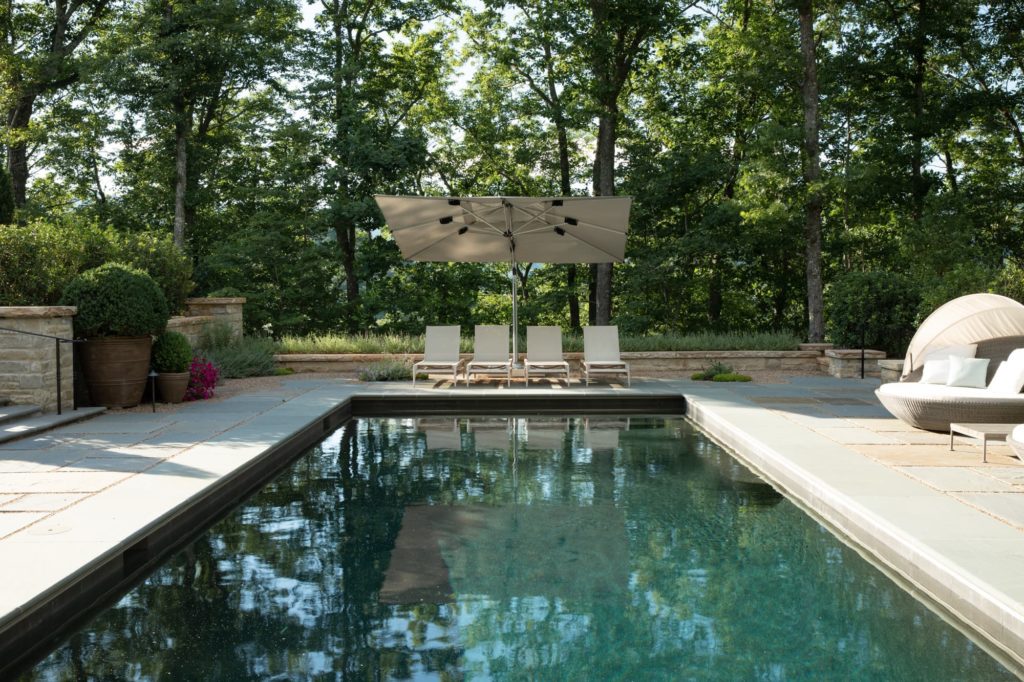
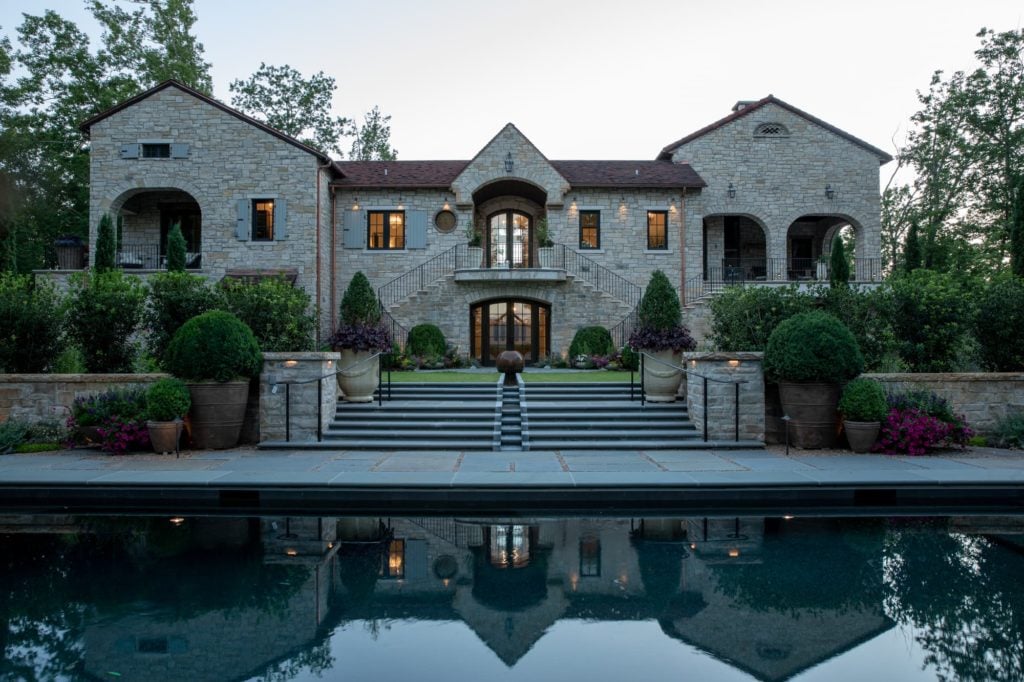
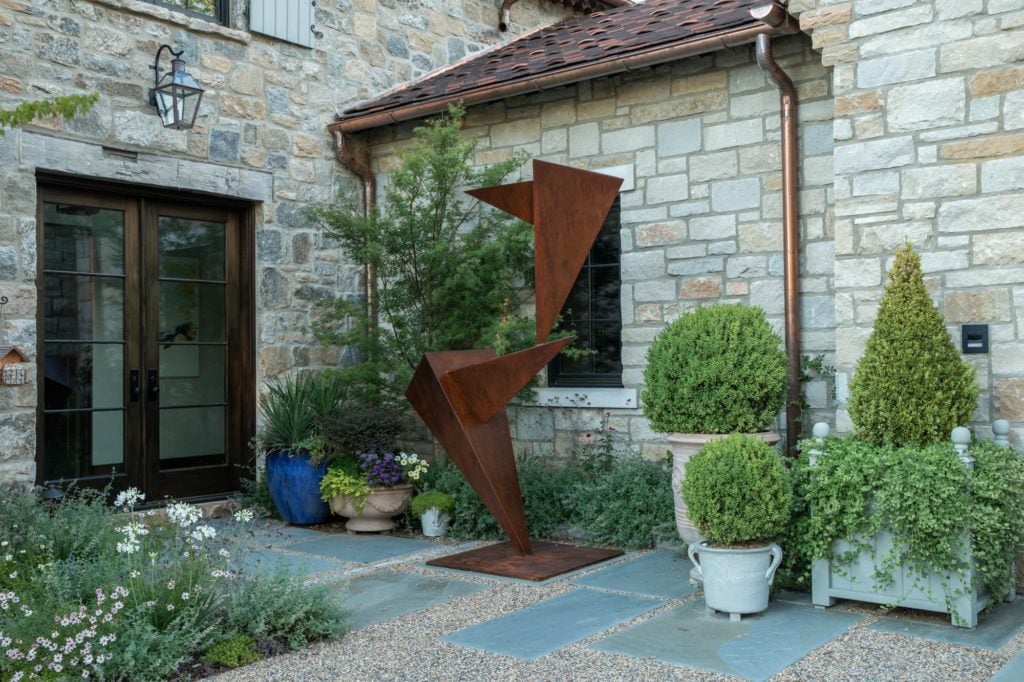
Traditional design feels warm, familiar, and well rooted. It honors classic proportions and time-tested details so house and garden read as one. Beauty comes from balance, craft, and seasonal rhythm rather than trend. Traditional design fits comfortably with a wide range of homes and matures gracefully. It creates familiar places to gather, keeps maintenance predictable, and uses durable materials that age with dignity.

view of luxury pool
Courtyard of mountain retreat with planting clusters
Wide view of mountain retreat courtyard
Luxury Garden Design of Mountain Retreat with reflection in luxury pool
Luxury Garden Design of Mountain Retreat back Pavilion with seating on terrace
Garden sculpture in courtyard of mountain retreat with planting clusters around it

Basic Principles of Landscape Design

The basic principles of landscape design are the simple rules used to make outdoor spaces feel unified, balanced, and enjoyable, whether the garden is small and city-tight or spread across open Carolina acres. 

  1. Unity and coherence. Repeat a few forms, materials, and plant families so everything feels like it belongs together.
  2. Balance. Share visual weight across the scene. Use symmetry when it fits, or a thoughtful asymmetry when it feels better.
  3. Proportion and scale. Size spaces and features to fit the house and the people who will use them.
  4. Hierarchy and focal points. Make the main elements obvious and let the supporting pieces quietly reinforce them.
  5. Rhythm and repetition. Create simple patterns that guide the eye and connect one area to the next.
  6. Contrast and variety. Mix form, texture, or color with restraint so the garden has interest without clutter.
  7. Sequence and transition. Change levels, textures, and planting gently so movement feels smooth and natural.
  8. Line and form. Use paths, edges, walls, and bed shapes to set the structure first, then fill with planting.
  9. Texture and color. Layer leaf textures and seasonal color for depth, character, and year-round appeal.


When these ideas work together, your landscape looks composed on day one, grows healthier and more beautiful each season, and welcomes people with the quiet ease of true Southern hospitality.

Landscape Design Services

Landscape design is both art and craft, and when you contact DabneyCollins, we begin by listening, walking the site, and understanding its constraints and assets so the plan reflects your goals. One lead designer stays with your project while our estimators, horticulturists, and finishing designers contribute throughout for continuity and depth. After design, a project manager leads construction with steady communication and a clear schedule, using high quality materials, expert craftsmen, and sound horticultural practice, then finishing with furnishings, accessories, and discreet lighting that extend comfort into the evening. When your build is complete, our legacy garden team remains a partner in stewardship and thoughtful improvements so the landscape grows healthier and more beautiful over time.